

MPC Testing for Critical Lubrication & Hydraulic Systems
- Home
- Fluid Analysis
- MPC Analysis
Let’s Start Work Together
Dunston Trading Estate
Chesterfield, Derbyshire
S41 9RF
sales@fa-st.co.uk
Varnish Potential Analysis / MPC Testing
Detect early signs of varnish formation before deposits lead to sticking valves, poor control response, reduced efficiency and unplanned downtime. FA-ST’s Varnish Potential Analysis service uses Membrane Patch Colorimetry (MPC) to help identify insoluble oil degradation by-products and assess early varnish risk in critical oil systems.
What is varnish in an oil system?
Even small amounts of varnish can affect performance in precision oil systems by interfering with movement, heat transfer and cleanliness.
Varnish is formed from insoluble oil degradation by-products that deposit onto internal machine surfaces and can affect system performance over time. In lubrication and hydraulic systems, varnish can contribute to sticky valves, reduced heat transfer, filter plugging, deposit build-up and increased risk of equipment problems.
Sticky valves
Filter plugging
Reduced heat transfer
Deposit build-up
How Varnish Potential Analysis Works
FA-ST uses Membrane Patch Colorimetry (MPC) to assess the level of insoluble degradation material present in an oil sample.
MPC is most useful as a trending and condition-monitoring tool and should be reviewed alongside the wider condition of the oil and system.
1. Sample taken
A representative oil sample is collected from the system.
2. MPC laboratory test
The sample is processed through a membrane patch to capture insoluble material.
3. Result review
The patch colour response is measured as a ΔE value to help indicate varnish potential and support next-step decisions.
4. Recommended next action
FA-ST helps review the result in context and support practical follow-on actions where required.
Typical MPC Severity Guide
These ranges are intended as a guide only and should always be reviewed alongside system type, oil condition, operating duty and trend history.
MPC results are often reviewed using a simple traffic-light style approach to indicate the severity of varnish potential.

Good
ΔE below 15

Monitor
ΔE 15–25
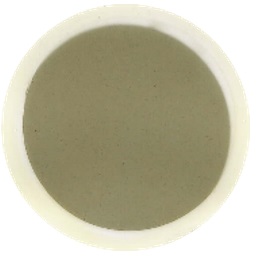
Abnormal
ΔE 25–35
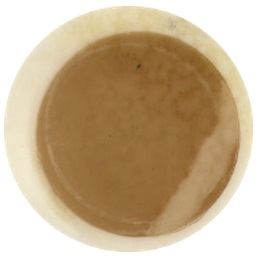
Critical
ΔE above 35
Suitable for critical lubrication and hydraulic systems
Varnish potential analysis is particularly useful where oil degradation products can affect control performance, heat transfer and precision components.
Power & Process
Hydraulic & Industrial
Marine & Specialist
This test is especially relevant for systems where even light deposits can affect reliability and performance.
Best used as part of a wider fluid condition monitoring programme
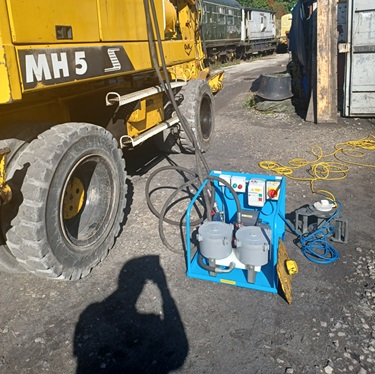
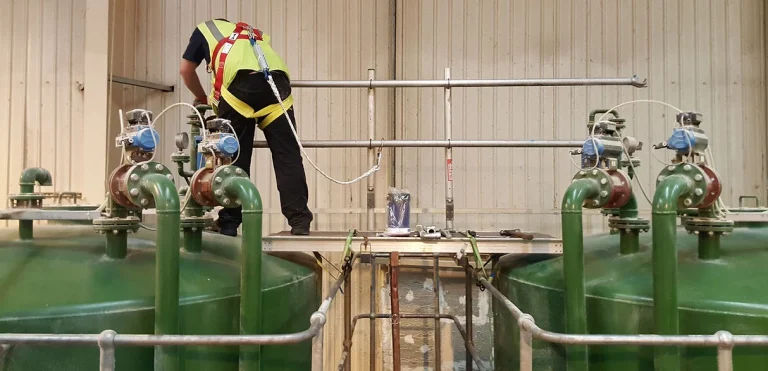
For the clearest understanding of varnish risk, FA-ST recommends using MPC testing as part of a wider fluid condition monitoring programme.
- Particle count and cleanliness review
- Additive and oxidation-life assessment where appropriate
- Oxidation and acid number trending
- Contamination control support
- Filtration and corrective action recommendations

Why trend results over time?
Single results are useful, but trend data provides a clearer picture of whether varnish risk is stable, developing or becoming more severe.
Identify changes earlier
Compare against previous sampling history
Support planned intervention
Improve decisions around fluid management
Regular monitoring helps support earlier intervention and better maintenance planning.
Why choose FA-ST for varnish potential analysis?
FA-ST supports customers with practical oil analysis and filtration services designed to improve reliability, reduce contamination-related issues and support better maintenance decisions.
What you receive from FA-ST
Every varnish potential test is designed to give you a clear result, practical interpretation and guidance on what to do next.
- Laboratory varnish potential result
- Clear interpretation of the MPC reading
- Indication of varnish risk level
- Support for repeat sampling and trend monitoring
- Guidance on next-step actions
- Option to combine with wider oil analysis services
- Support linked to FA-ST’s filtration and fluid expertise
Technical support
Results reviewed with practical understanding of fluid condition and system care.
Integrated services
Combine varnish testing with oil analysis, contamination monitoring and filtration support.
Reliability focus
Help reduce risk, support maintenance planning and protect critical assets.
Varnish Analysis FAQ
What is varnish in lubricating oil?
Varnish is a thin deposit formed from insoluble oil degradation by-products that can collect on internal machine surfaces and affect equipment performance.
What does MPC testing measure?
MPC testing measures the colour response of insoluble material captured on a membrane patch from the oil sample. The result is reported as a ΔE value and used as an indicator of varnish potential.
What systems benefit most from varnish testing?
Turbine lubrication systems, hydraulic systems and other critical circulating oil systems are common applications.
Can one MPC result confirm varnish problems?
Not on its own. MPC is best used as a risk indicator and trending tool, alongside machine condition, oil history and other supporting analysis results.
Can FA-ST combine this with other analysis services?
Yes. Varnish potential analysis works best as part of a wider fluid condition monitoring programme and can be linked with FA-ST’s oil analysis and filtration services.
How often should varnish potential testing be carried out?
Testing frequency depends on system criticality, operating conditions, oil age and previous results. FA-ST can help advise on a suitable sampling and monitoring schedule for your application.